






Kewaskum, Wi – Chucker Dreher of Kewaskum, Wi, was told by the DNR this week he should go buy a lottery ticket because his luck at stumbling into rare animal-related situations are one in a million.
If you’re not familiar with Dreher … he’s so lucky he could spot a pregnant albino deer in a snowbank. Click HERE if you want to read that true story.
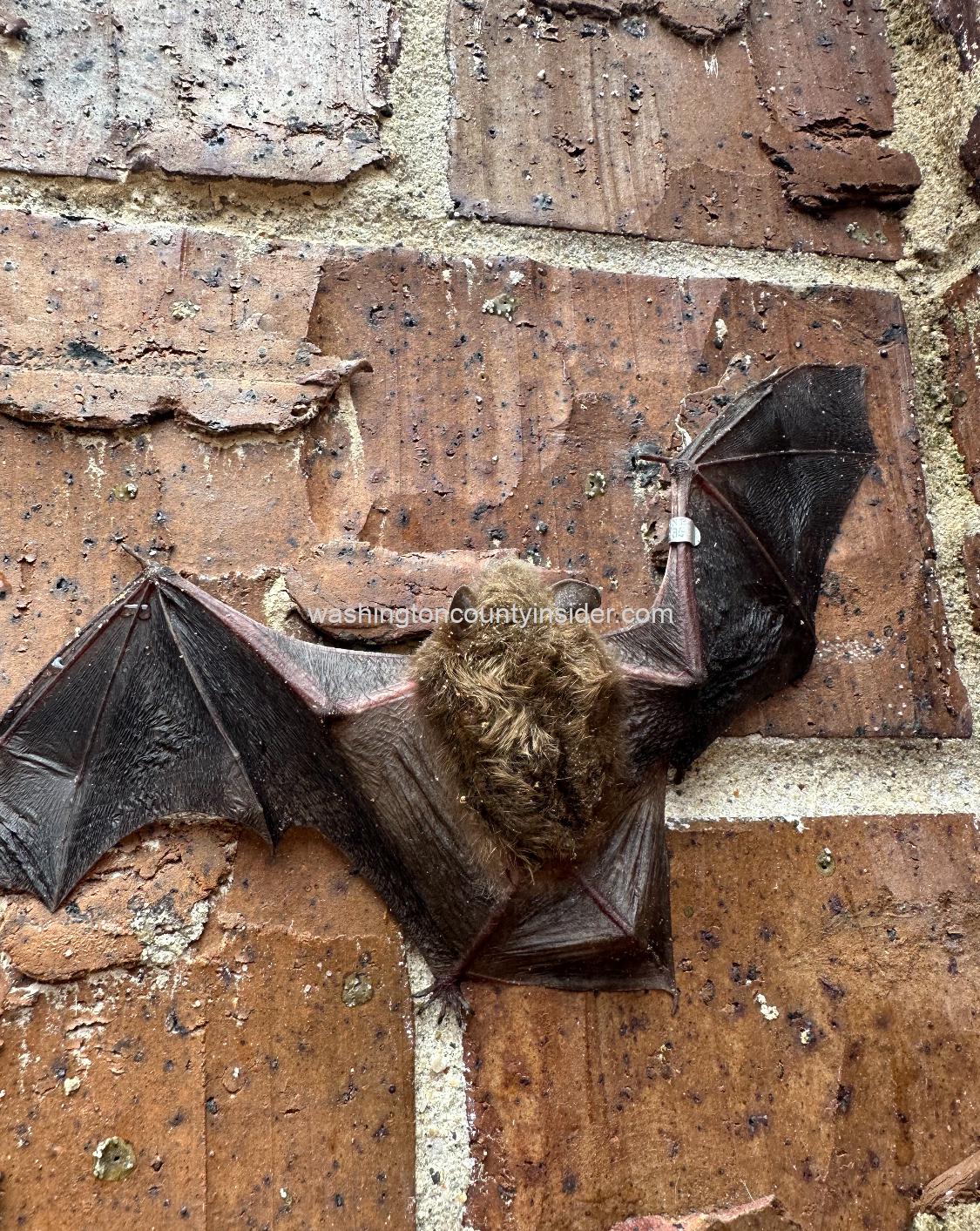
Anyway, Dreher’s latest find is a small brown bat that was tagged by the DNR. The chances of that are unbelievable, especially since the closest population of small brown bats traces to an iron mine, 17 miles away in Dodge County. Data shows the bat was banded November 17, 2022.
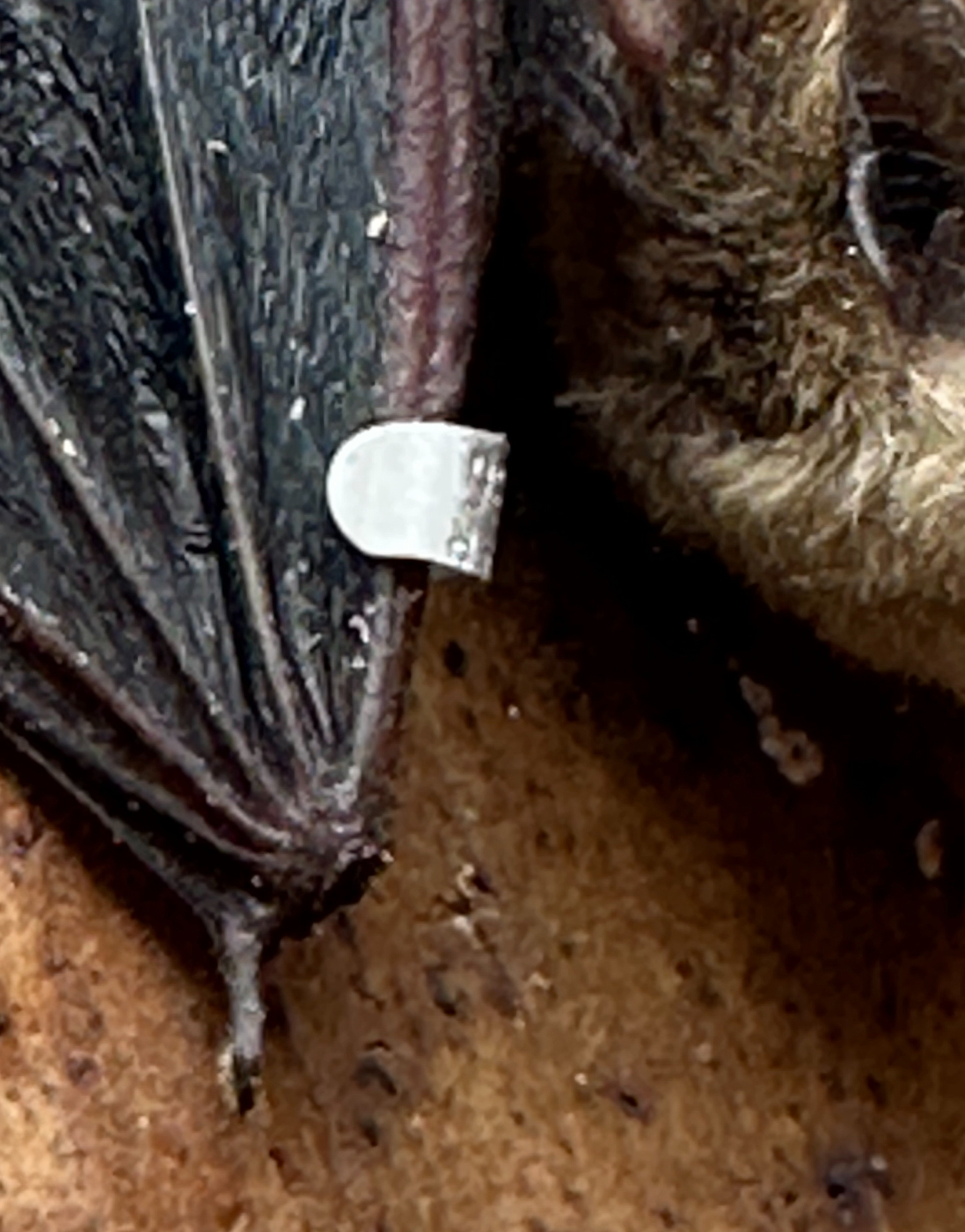
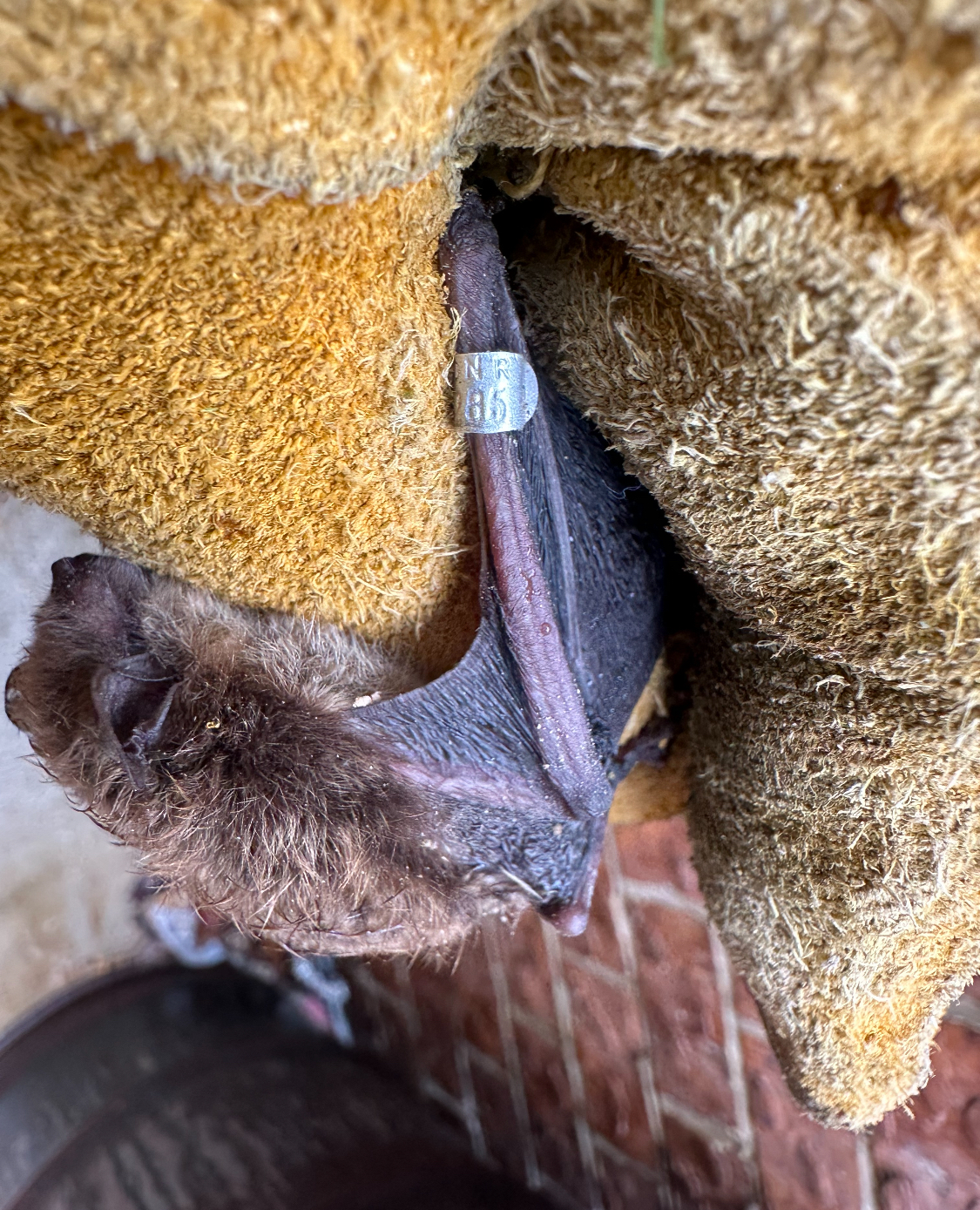
It was a rainy Wednesday afternoon when Dreher’s buddy saw the bat on the side of the brick building by the tennis courts at Kewaskum High School. Dreher said he moved it to the back side of the building, away from students, and that’s when he saw “the bling.”

“It floored me when I seen the bling on it,” said Dreher referencing the silver band stamped with a number.
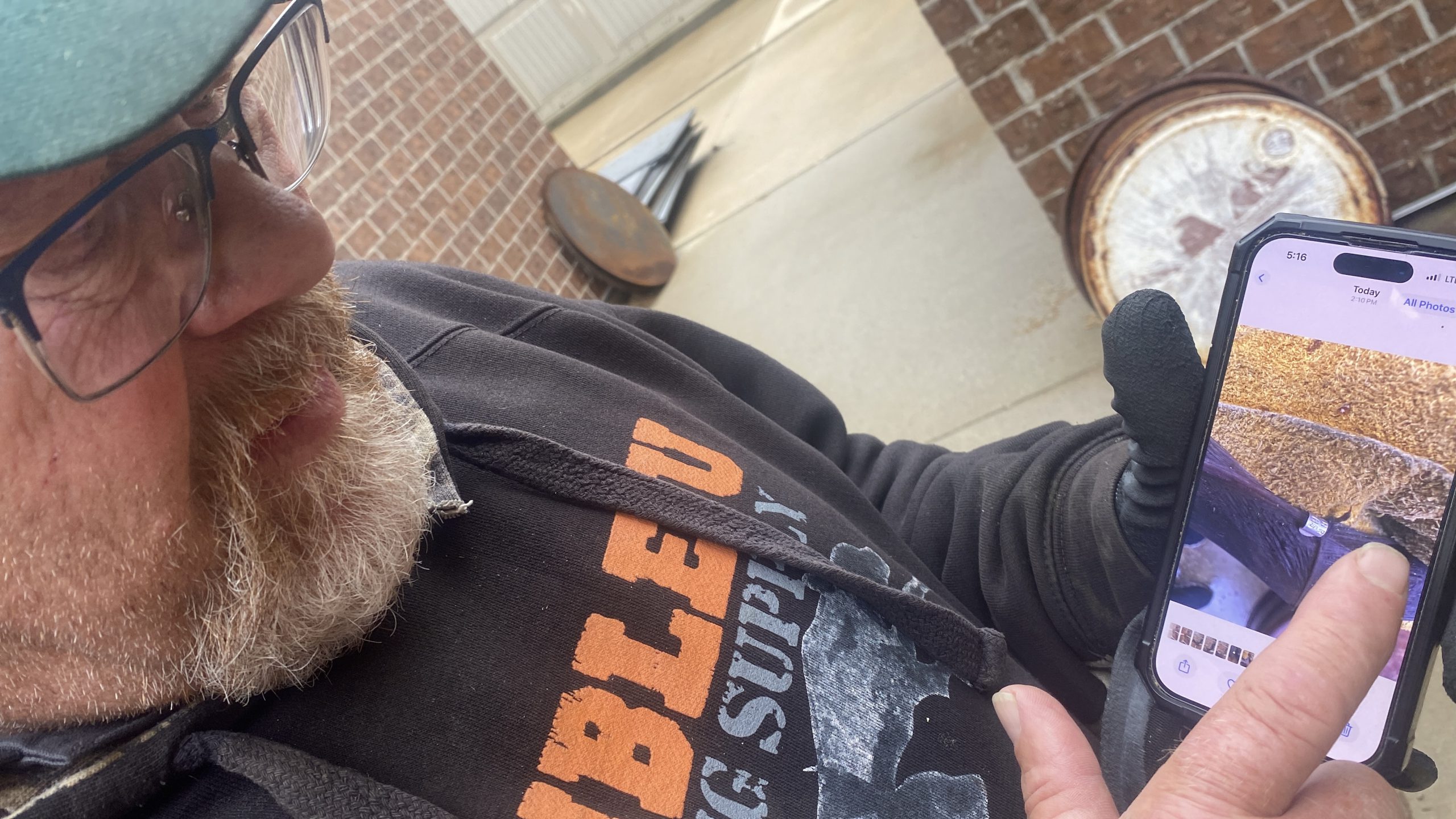
What followed was a flurry of phone calls, photos, and a bit of disbelief.
John White, a mammal ecologist with the Wisconsin DNR, took the call. His reaction? “I was pretty excited, honestly. This is the kind of call you don’t get very often.”
Since 2011, the DNR has banded or tagged over 10,000 bats across the state using either aluminum forearm bands or small PIT (Passive Integrated Transponder) tags. These tags are crucial to understanding bat behavior, habitat use, migration routes, and the impacts of diseases like white-nose syndrome.
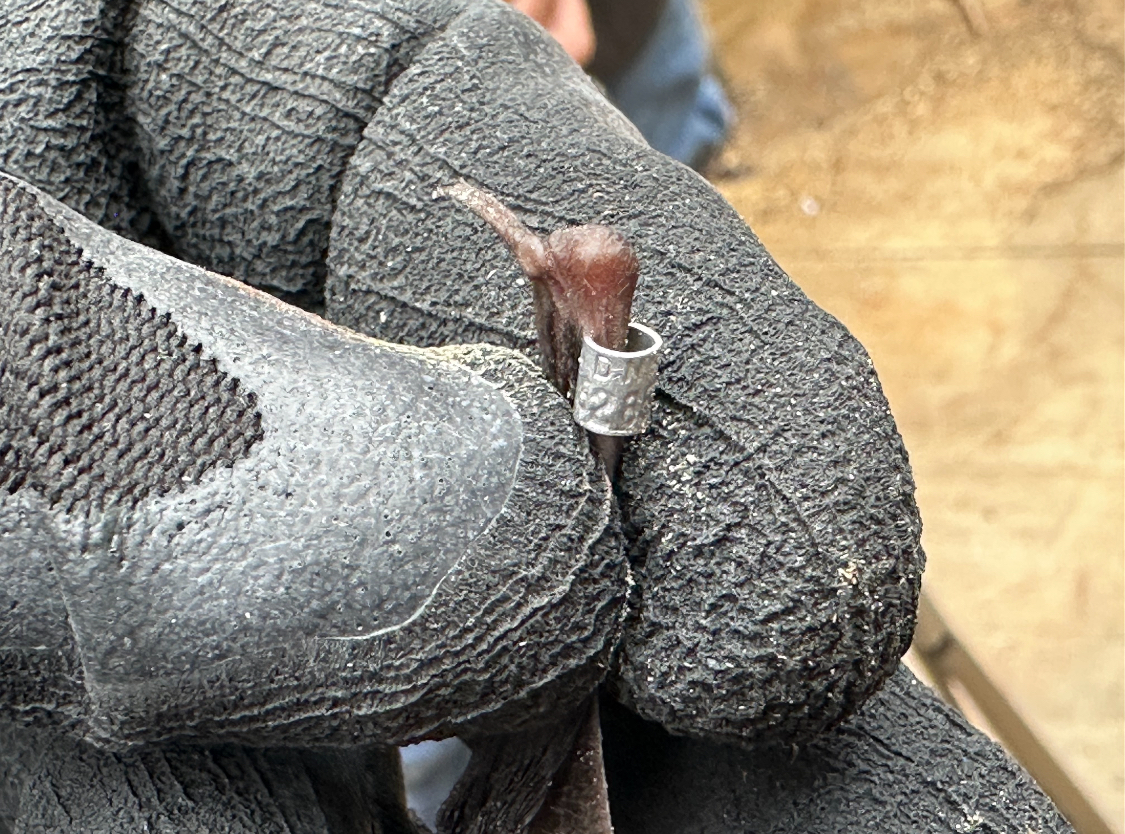
“We band about 500 bats a year,” White said. “But the odds of someone finding a banded bat, especially out on the landscape, not at a known roost or hibernation site? That’s rare. I can probably count the number of calls like this on one hand.”

Most banded bats are recaptured in controlled settings—barns, attics, or caves where they roost. Catching them again by chance, especially by a private citizen, is extraordinarily uncommon.
One intriguing twist? The bat’s band suggested it was a female—but the silver band was found on the wrong wing. According to DNR protocol, males are banded on the right wing, females on the left. “Chucker went back out to recheck everything,” White said. “We wanted to be sure. Bands can wear down or be misread, so we needed a clear view and confirmation of the sex.”
Final photos and measurements confirmed the bat was a female; the find is already adding a rare data point to the state’s ongoing research on bat populations.
Why Tag Bats at All?
“Bats are vital to our ecosystem,” White said. “They eat thousands of insects per night, including agricultural pests. Tracking them helps us understand where they live, how far they travel, and how diseases like white-nose syndrome are affecting them.”
The DNR’s partnership with Virginia Tech has brought cutting-edge research into Wisconsin’s caves and forests. With PIT tag readers installed at major roosting and hibernation sites, researchers can gather long-term data without re-handling the bats.
“We’ve got some of the largest bat hibernation sites in the entire Midwest right here in Wisconsin,” White said. “That makes this state critical for conservation.”
Want to Learn More About Bats?
Visit dnr.wi.gov and search “Wisconsin bats” for information on monitoring programs, building bat houses, and reporting sightings. You can also learn more about citizen science opportunities and ways to help protect Wisconsin’s bat populations.