



West Bend, WI – Dave Bohn was born in 1929, at the start of the Great Depression on a farm on the outskirts of West Bend. Dave wrote memories of his childhood for over 15 years. While Dave is no longer with us, he still has many more stories that he wrote that he wanted to share. His hope was that his writings would preserve the often-overlooked stories of ordinary farmers and everyday farm life in rural Washington County during the Great Depression through the eyes of a local farm boy.
When Dave was a young boy in the 1930’s, County Road P was known as State Hwy 55. In 1935, it became State Hwy 55 / US Hwy 45. Finally, in the mid 1980’s, it became County Road P.
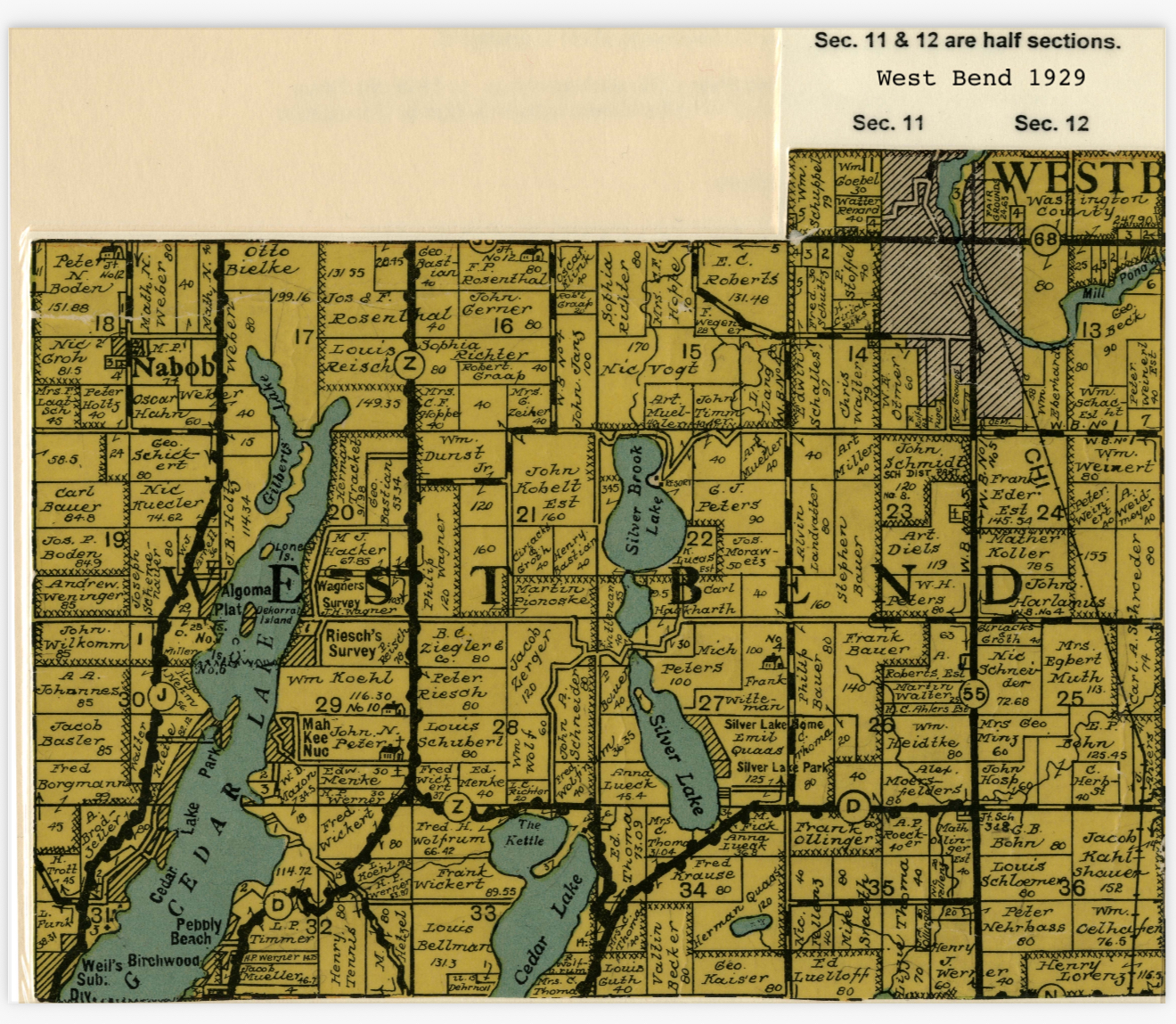 Since Dave grew up on the farm at the top of hill, just south of Rusco Drive, he knew Hwy 55/45 well. It was the main road from Milwaukee to Fond du Lac.
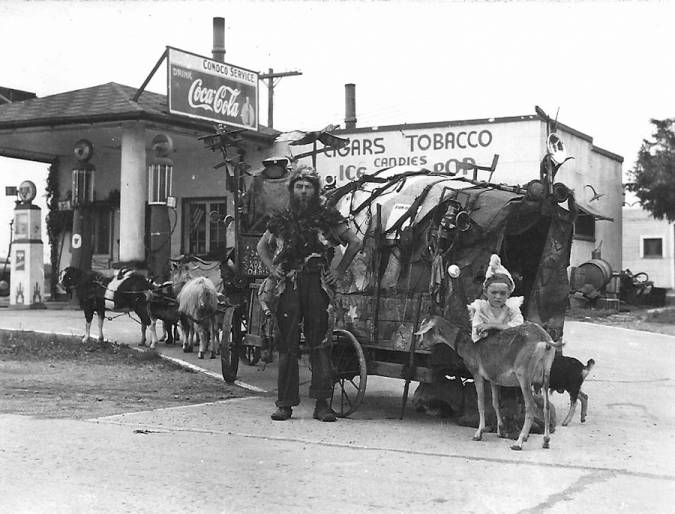
Along with hobos, the Goat Man, circus gypsies, and city people coming out to the lakes, there were the ordinary people of the time.
 A lot has changed since his boyhood days in the 1930’s and 40’s. These are Dave’s recollections of businesses along the highway.
I grew up on a farm just south of Rusco Drive on Highway 45. Today it is County Road P.

This is still a farming area, but along the highway there were also businesses. These are the businesses along the highway that I remember.
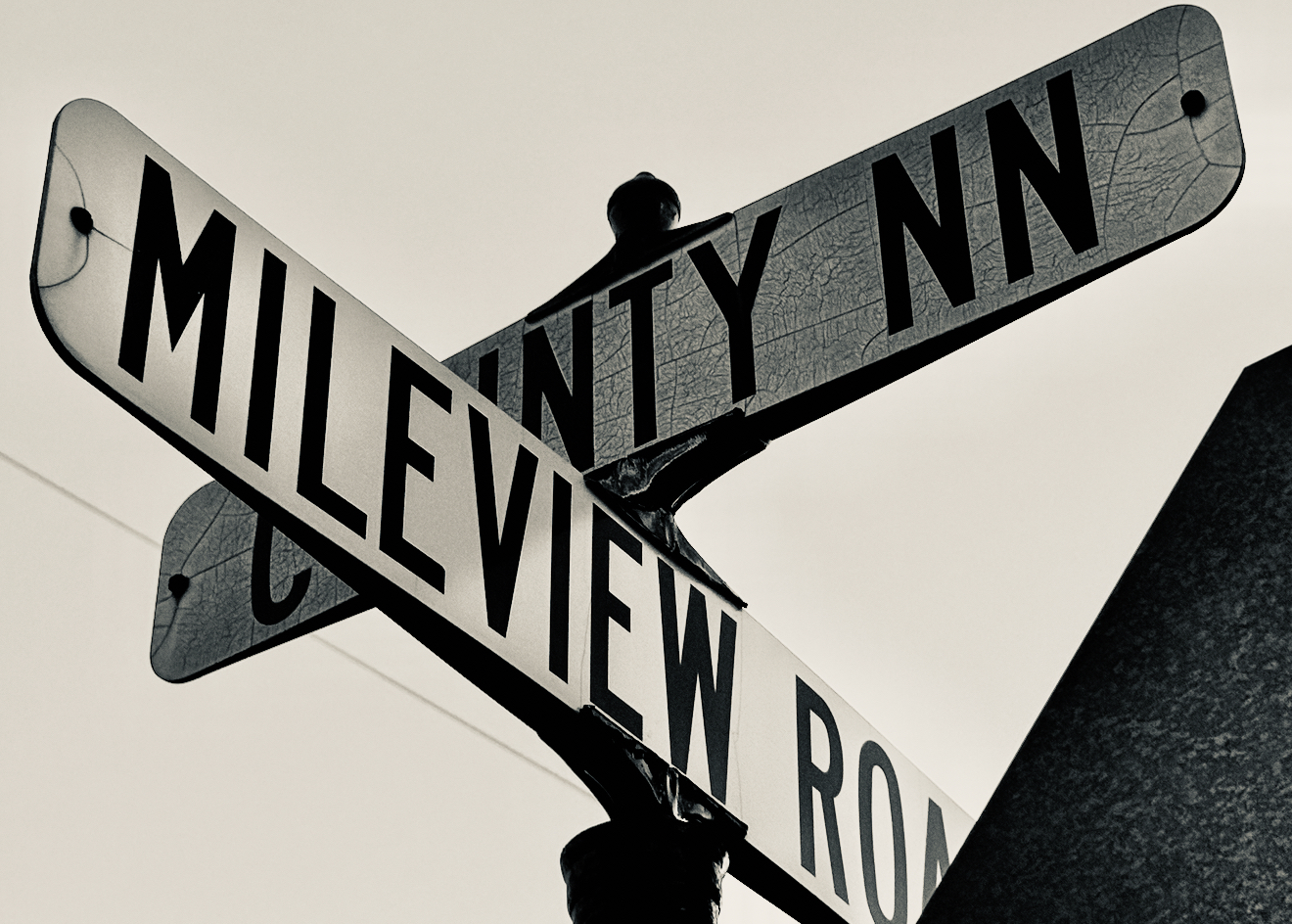
The Hepp Motel and Filling Station was up the road from where we lived, on the northwest corner of Hwy 45 and Mile View Road. When I was little, it was the first place just south of us. The Hepp’s were an older couple with no kids. They sold gas for cars and miscellaneous food, candy bars, soda, cookies, and such non-perishable items.
They had three or four cabins they would rent out to travelers, not very big or fancy, maybe 10 feet x 10 feet. The cabins had a steep roof, one door, one window, no running water, no electricity.
It was just a roof over your head, a bed for rest and a gas pump. There was no bathroom, so the overnight travelers had to go to the station to use the bathroom. Not a 5-star hotel by any means. Today, it is the big BP service station with I don’t know how many gas pumps and a store for travelers.
We didn’t know the Hepp’s very well as they had no children our age. I don’t know if they had any at all. I know they were not from the area. I think we heard they came from Pennsylvania.
When Mrs. Hepp died, I was asked to be a pallbearer at her funeral. I guess there was no relation in the area. It was the undertaker who asked me to be a pallbearer.
There was no service or showing of the body, but they must have had some arrangement made on the burial. We just carried the casket to the grave site and that was it.
Another neighbor who lived close to the Hepp’s, Roy Fick, was also a pallbearer. They were nice people, but we knew very little about them.

One of my earliest memories of Hepp’s station is when a mechanic came out to the farm to repair our tractor. Dad got his first tractor in 1936. It was an Oliver 70 Row Crop.
Row Crop meant it had a single wheel in the front (a 3-wheel tractor). Dad bought it in West Bend at Luke Barnes Hardware.
He used to go to Barnes Hardware on a pretty regular basis.
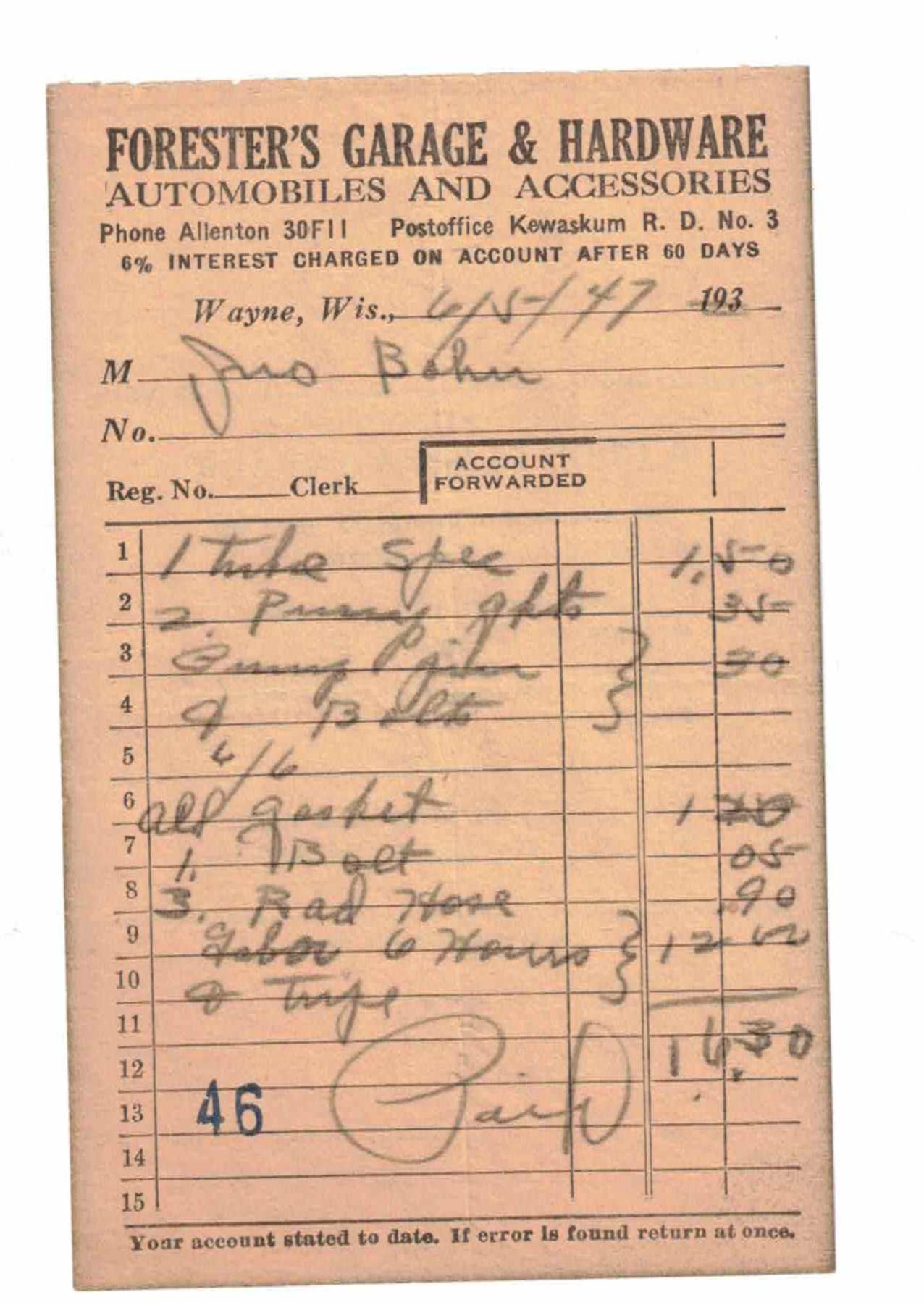
When the tractor needed service, we didn’t have a telephone, so Dad would drive to G.W. Forester Garage in Wayne, Wisconsin, a small burg about 5 or 6 miles northwest of West Bend. Dad would take us along to give Mom a break. To go with Dad was a big thing for us kids.
Dad was a talker when you got him going, but George Washington Forester, one of the owners of the shop, was really a talker. With G.W. Forester, you could talk to him all day and you hardly had to say a thing.
After about half an hour of standing around listening to them talk, it got boring for us kids, to say the least, and we began to think, why did we come along. It didn’t get better. We didn’t complain as it was our choice to be there. Eventually they quit talking and we got to go back home.
G.W. Forester’s brother was a mechanic for the garage, and he liked his beer. Once when he came out to our farm to repair a tractor, he wanted a pail of beer. He sent me to Hepp’s to get him one.
This was just when Prohibition had ended in the mid 1930’s and there were not many taverns open yet, but you could start buying beer again. At that time, they had small pails they served beer in to drink on the job. The pail held 2-3 glasses of beer. It was just a small pail with a handle.
G.W. Forester’s brother gave me some money, and I walked to Hepp’s to get the beer. When I got there, they said they didn’t have any beer, so not knowing what to do, I got a pail of orange soda instead.
I walked back home with my pail of soda. When I gave the mechanic the pail of soda, he wasn’t a happy camper and wouldn’t drink it. So I drank the soda. I guess he did get the tractor fixed without the beer. Maybe it was a good thing I didn’t get the beer.

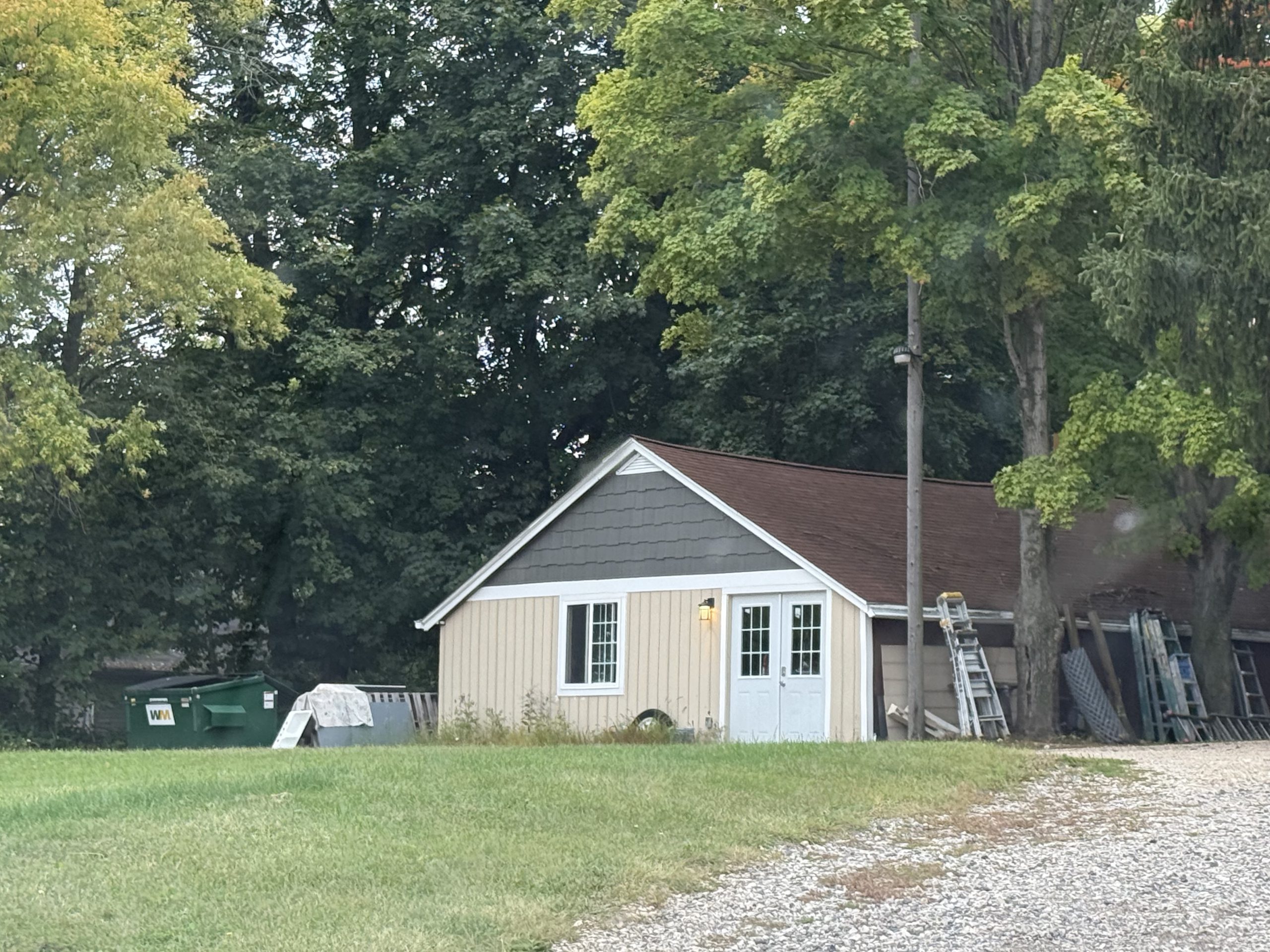
A traveling preacher built a small church on a piece of land just south of Hepp’s service station. I never was in the building so I don’t know if there were pews or just chairs for those attending. I don’t know why he picked this spot for his church. It was just a building with a door and some windows on the sides with a cross out front.

The building was small, just a single story, no basement. Nothing about it made it look like a church, just a 20 x 30-foot plain wood structure. You would never know it was a church at one time. I think the preacher would travel around and just start a church in new areas.
I don’t think many people attended the services. There never was much activity there, and it wasn’t a church for long. Shortly after I moved off the farm (in 1957), the building was sold or foreclosed on.
Bob Rauen took ownership of the land and used it for his shop, selling and storing pool equipment. By this, I mean the game of pool. I think the shop was open just by appointment as there was no sign out and no advertisement. The building is still there.
Rauh’s Meat Market was just across the road from Hepp’s station, on the east side of the highway. It was there only for a short time. It closed for lack of business, I guess.
Rauh’s Meat Market sold the house, and it became Quality Cabinet Shop. The owner was Bob Kaehny. The shop is at the rear of the house, not attached. It is still operating.

A short way south of Hepp’s is Horlamus Industries, on the east side of the highway, right next to Quality Cabinet. It had a shop where it manufactured farm wagons to transport corn from the farm fields to the silos for corn silage.
Standing corn in the field was run through a chopper that cut the corn in small pieces, about ¾ inch long. A fan in the chopper blew the corn into these wagons that Horlamus Industries manufactured.
It was hauled to the farmyard where a blower blew these chopped pieces of corn into the farm silo. This was the cornstalk and the cob with the kernels. There it would form the silage for winter feed for the animals. I think the building is still there.
Today, most corn on large farms is stored outside in huge cement bins with a cover over the corn. Many of the covers are held down with used car or truck tires.

You can see this on the larger farms where these outside bins have a cover held in place with used tires. That’s how it is today. Quite different from when we were young. Silos are becoming a thing of the past.
The Horlamus family owned a stone house on the northeast corner of Main Street and Paradise Drive. The property was being sold for a building site and the Horlamus family wanted to preserve the stone house as a historical landmark.
They moved the house to Hwy NN, 3/4 miles east of Hwy P near the railroad tracks. This occurred when I was in the Army around 1951 but my family gave me the details in letters they wrote me.
The move was about 2 ½ miles in length. Being a stone two-story house, a move on the roadway would have been difficult back then, due to the weight and electrical wires crossing the road overhead.
The family had to get permission from several farmers to move it through their farm fields. At that time, everyone got along pretty well, so they had no problems getting all the farmers’ permission to cross their properties.

The move was made in the wintertime when the ground was frozen solid so the wheels of the carrier would not sink into the ground. The route was level and there were no big hills to cross. Farmers’ fences were taken down and replaced after the move.
The route went through Dad’s land, north of Rusco Road and just east of our barn, about 200-300 feet. The route followed a dry creek bed, a swale that water from snow melt traveled through and became a small water run each spring. So, it was a level route from Rusco Road to Hwy NN, where the house still stands today with the Horlamus family still living in it.
On the west side of the highway, across from Quality Cabinet, there was what I guess you’d call a Blacksmith Shop. Fred Johnson was the blacksmith and did everything to fix motors. He was what I would call a sledgehammer mechanic, not too particular but he did it anyhow. He also worked on things that needed welding.
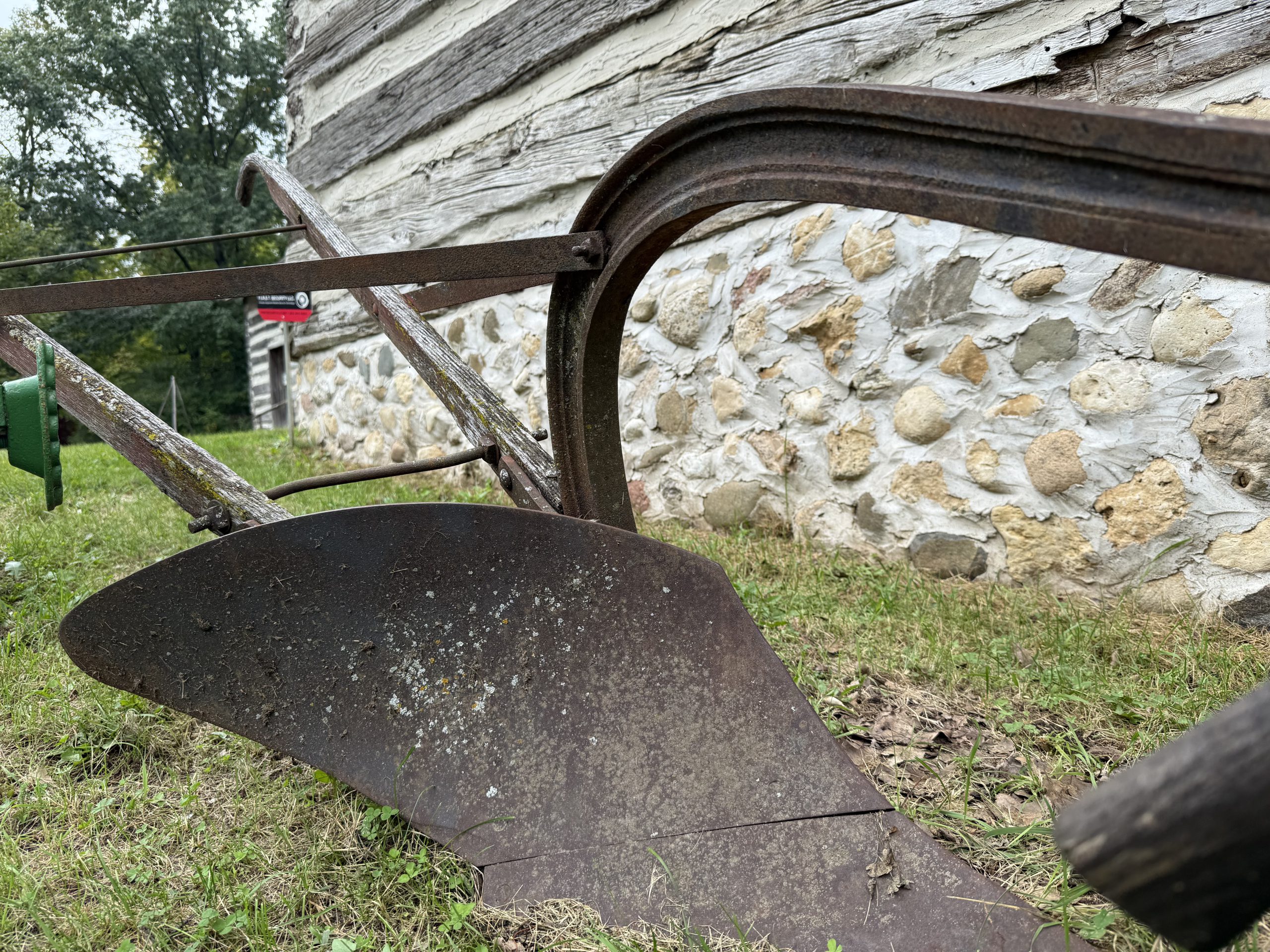
He made lots of ploughshares for farmers. A ploughshare was the part on a farmer’s plow that went into the ground first. It was kept sharp, but never was real sharp. Since it would make the first cut into the ground, it didn’t stay sharp for long. Those ploughshares were replaced often. You would do this at a blacksmith shop.
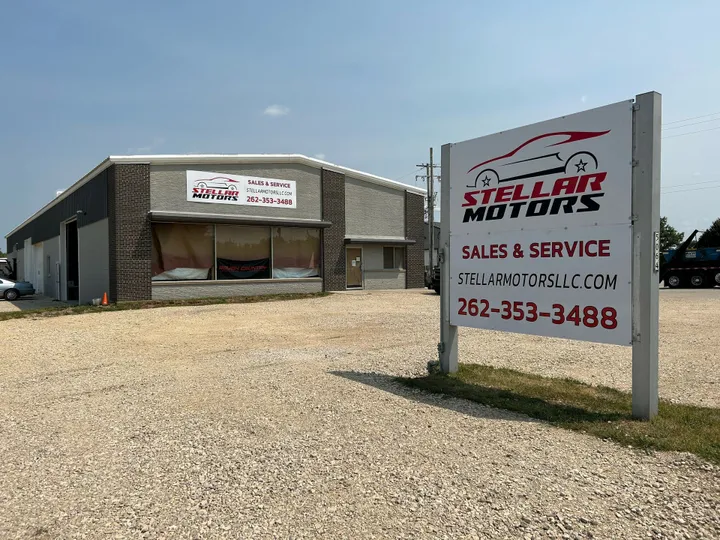
In one windstorm, Fred Johnson’s shop blew over and I don’t think he ever rebuilt. This was when I was in the Army (early 1950’s), so I don’t know what happened to him. Today, the area is a used car lot.
The next place north of Quality Cabinet on the east side of the highway was an Apple Orchard.
And next to that was, I guess, the most important business: the Bohn children selling angle worms to fishermen on the way to area lakes to try their luck at fishing.

Coming up Part 2: Notes along old Hwy 55/County Road P where author Dave Bohn reflects on moonshining in West Bend, WI.