







Washington Co., WI – For families, a car seat can look perfectly fine sitting in the backseat, clean straps, sturdy shell, no visible cracks. But according to attorney Tim Trecek with Habush Habush & Rottier, danger can sometimes hide where parents least expect it: inside aging plastic invisible to the naked eye.
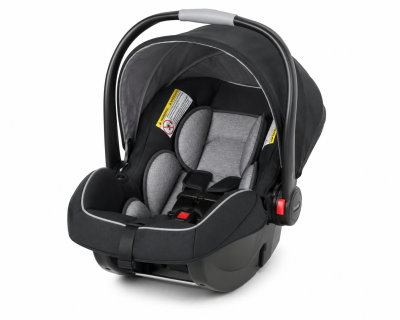
That concern is one of the driving forces behind the May “Safe Seats, Safe Kids” campaign launched by Habush Habush & Rottier, a long-established Wisconsin law firm with offices in Milwaukee and West Bend, Wi.
“We’ve represented some children that have been horribly injured,” Trecek said. “Spinal cord injuries due to expiration dates and oxidation occurring with the plastic that car seats are made out of.”
The firm’s campaign focuses on educating parents and grandparents about car seat safety while also helping distribute infant seats and booster seats during the month of May.
Trecek, who is based primarily out of Milwaukee but frequently works from the firm’s West Bend office, said the initiative grew organically from years of handling injury cases involving children.
“For many, many years, we gave away car seats just because we think it’s such an important safety thing for parents, grandparents and kids,” he said. “It really evolved out of the cases we’ve had and just the desire to keep kids safe.”
One of the biggest misconceptions, according to Trecek, is that a car seat is safe indefinitely as long as it appears undamaged.
If parents flip over most seats, they will usually find an expiration date embossed into the plastic shell. Many expire six or seven years after manufacturing.
“You’ve got to be careful about hand-me-downs and garage sales,” Trecek said. “The plastic in a car seat can look fine, but it can be oxidized. You often don’t see that with the naked eye, but it drastically weakens the integrity of the product.”
He recalled one case involving a booster seat where a critical plastic component failed during a crash, causing a child’s seatbelt to shift improperly and resulting in a severe spinal cord injury.
In another case, testing revealed that even though a car seat was technically still within its expiration window, the plastic had deteriorated enough that part of the seat broke during impact testing.
“When we ran a sled test with the exact same accident and same speeds using a new seat, it stayed connected and provided protection,” Trecek said.
Trecek said modern safety improvements have also made side-impact protection increasingly important, especially in T-bone crashes.
“A lot of the newer car seats now have bigger side wings,” he said. “That’s important because in a side-impact accident, the child’s head wants to move toward the impacting vehicle.”
Without that protection, he explained, a child’s head could strike the vehicle frame, window, or even an intruding vehicle.
While many parents ask which brands are safest, Trecek said there is no simple answer.
“There isn’t really a brand we can point to and say these are good ones and these are bad ones,” he said. “There are so many makes and models.”
Instead, he encourages families to focus on choosing the proper seat for the child’s size and weight, installing it correctly, and making sure it is registered with the manufacturer in case of recalls.
He also stressed the importance of keeping children rear-facing as long as possible.
“The longer you can keep them rear-facing, the better,” Trecek said.
According to the firm, children under one year old should always ride rear-facing, while booster seats are generally intended for children over 40 pounds and often up to 80 pounds.
Trecek, said his message to parents is straightforward.
“We all want to keep our kids safe,” he said. “Knowing the proper seat for the size of the child and correct installation is very important.”
More information about the campaign and car seat safety resources can be found at Habush car seat safety page.