





West Bend, WI – There’s a definite change in the fabric of the business community in West Bend, Wi, as another locally owned restaurant explores change. Earlier this year, WashingtonCountyInsider.com wrote an article about the growing number of mom-and-pop businesses calling it quits. Below is the story that details what the community is losing.
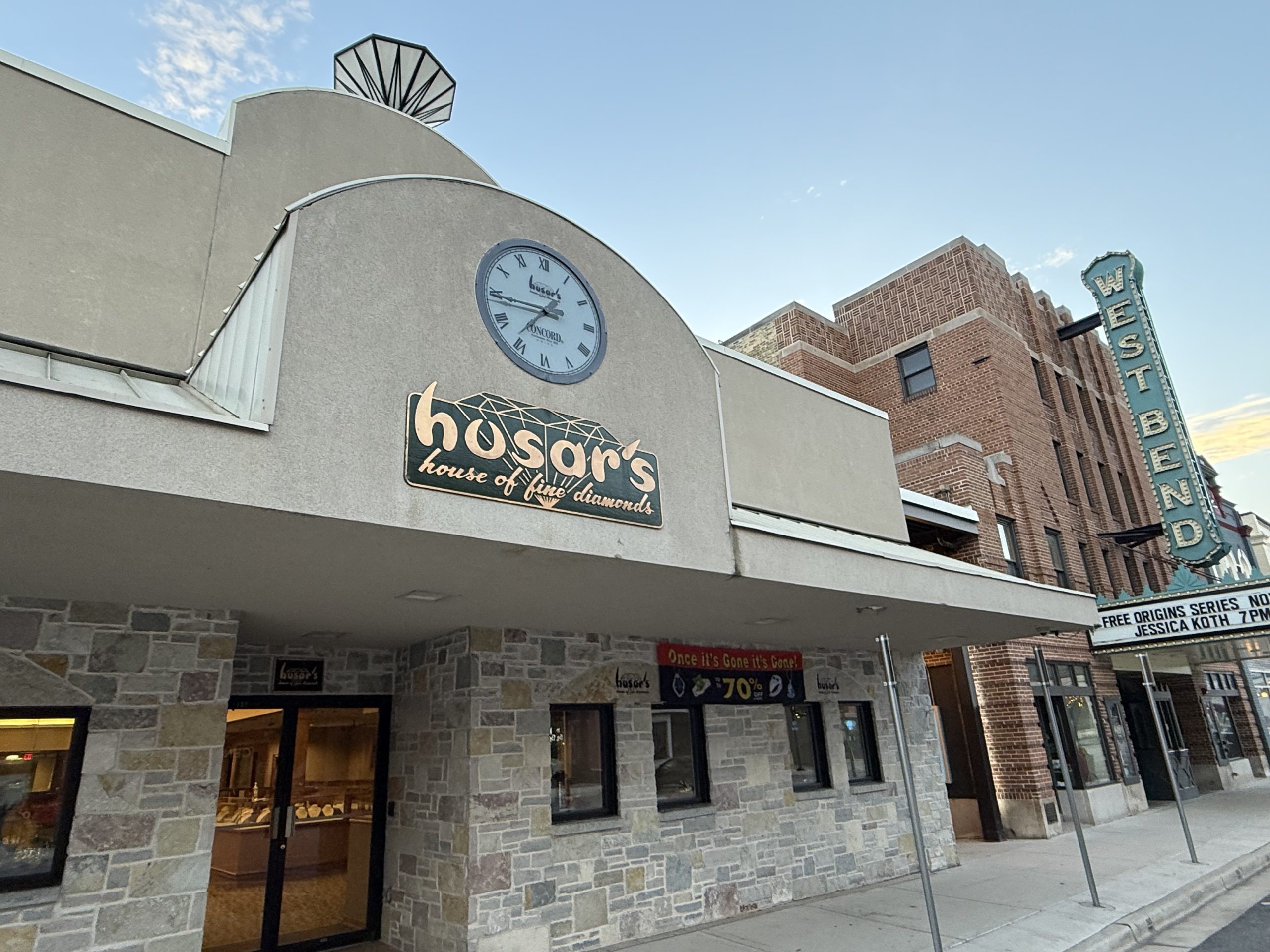
After 75 years in business Husar’s House of Fine Diamonds is closing. The news marks the end of an era when family-owned, generational businesses once defined Main Street. For decades, names like Sager’s, Slesar, Bauer’s, and O’Meara weren’t just business signs; they were the cornerstones of a thriving downtown.
Today, only a few remain — Tennies Ace Hardware, Winkler’s Office City, and Schmidt Funeral Home — survivors in a changing retail landscape that has seen most mom-and-pop shops give way to chains and online convenience.

“It’s sad to see them go,” said Todd Tennies, third-generation owner of Tennies Ace Hardware, which has operated downtown since 1961. “At the same time, it’s their time. They’ve worked hard, and now they deserve to get out and enjoy life.”
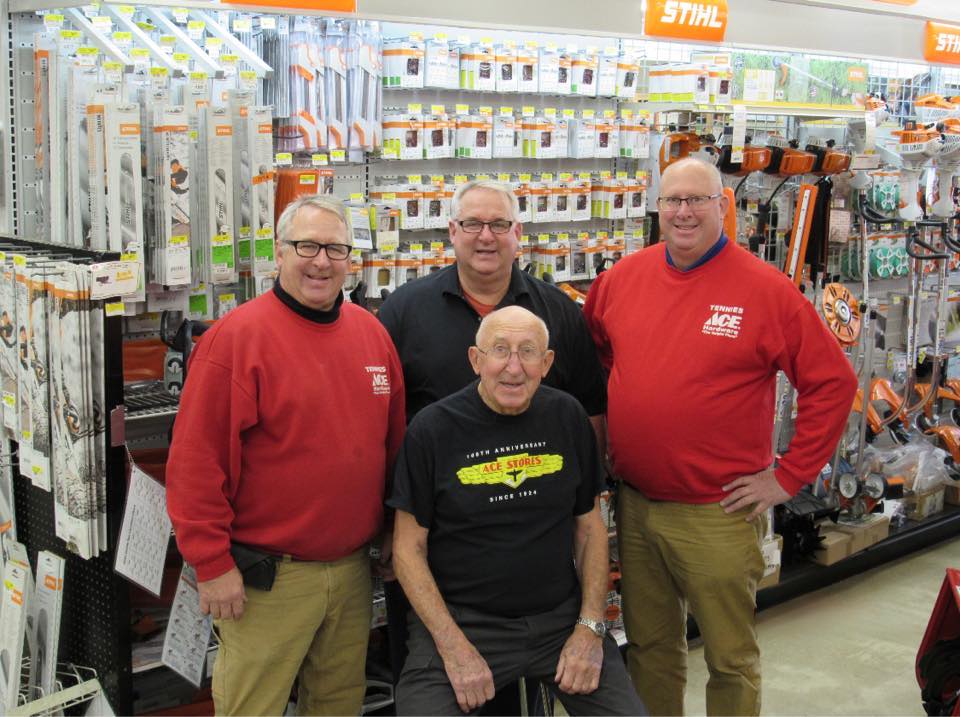
Tennies’ own family story mirrors that of many early West Bend entrepreneurs. “We started in 1957 on Indiana Avenue,” he said. “My grandfather had a warehouse and hardware store there before moving downtown in 1961. At that time, there were about five hardware stores in the downtown area — Sears Roebuck, Fuge Plumbing and Heating, and others. It was a busy place.”
Over the years, downtown West Bend was home to a colorful mix of local businesses: Sager’s, JCPenney, Ley’s Department Store, and even a hobby shop (Kohl’s Hobby Center) — all within walking distance. Husar’s was among the few that endured, adapting as times changed.

“The Husar family gave a lot to this community,” Tennies said. “Mike, Mary, and Marv did a wonderful job running their business. They brought people from outside the area to shop downtown and were deeply involved in everything from the downtown business board to community events. They supported the Christmas Parade, worked on budgets, helped organize festivals — even brought NASCAR racing downtown one year. They deserve a lot of credit for helping shape what downtown West Bend is today.”
For Tennies, the survival of a family business takes more than luck. It takes hands-on dedication and deep community roots.
“Whether you’re running a jewelry store or a hardware store, it’s hands-on,” he said. “You develop relationships — with customers, vendors, and even the local paper and radio folks. It’s about trust, service, and being there when people need you.”
That personal touch, Tennies believed, is what sets small businesses apart from big-box stores. “We can react faster to what’s happening,” he said. “If there’s a flood, snowstorm, or heatwave, we can get product in right away to help people out. We’ve got knowledgeable staff, and our service is personal. That’s what keeps customers coming back.”
But he’s realistic about the future. “Small, family-owned businesses are disappearing before our very eyes,” Tennies said. “Hopefully, when people see what these stores meant to a community, the next generation will be inspired to start something of their own.”
And when that time comes — when Tennies Hardware eventually closes its own doors someday — he knows what he hopes people will say.
“I wish they were still around.”
Another long-standing family operation is Schmidt Funeral Home, a West Bend fixture since 1934.
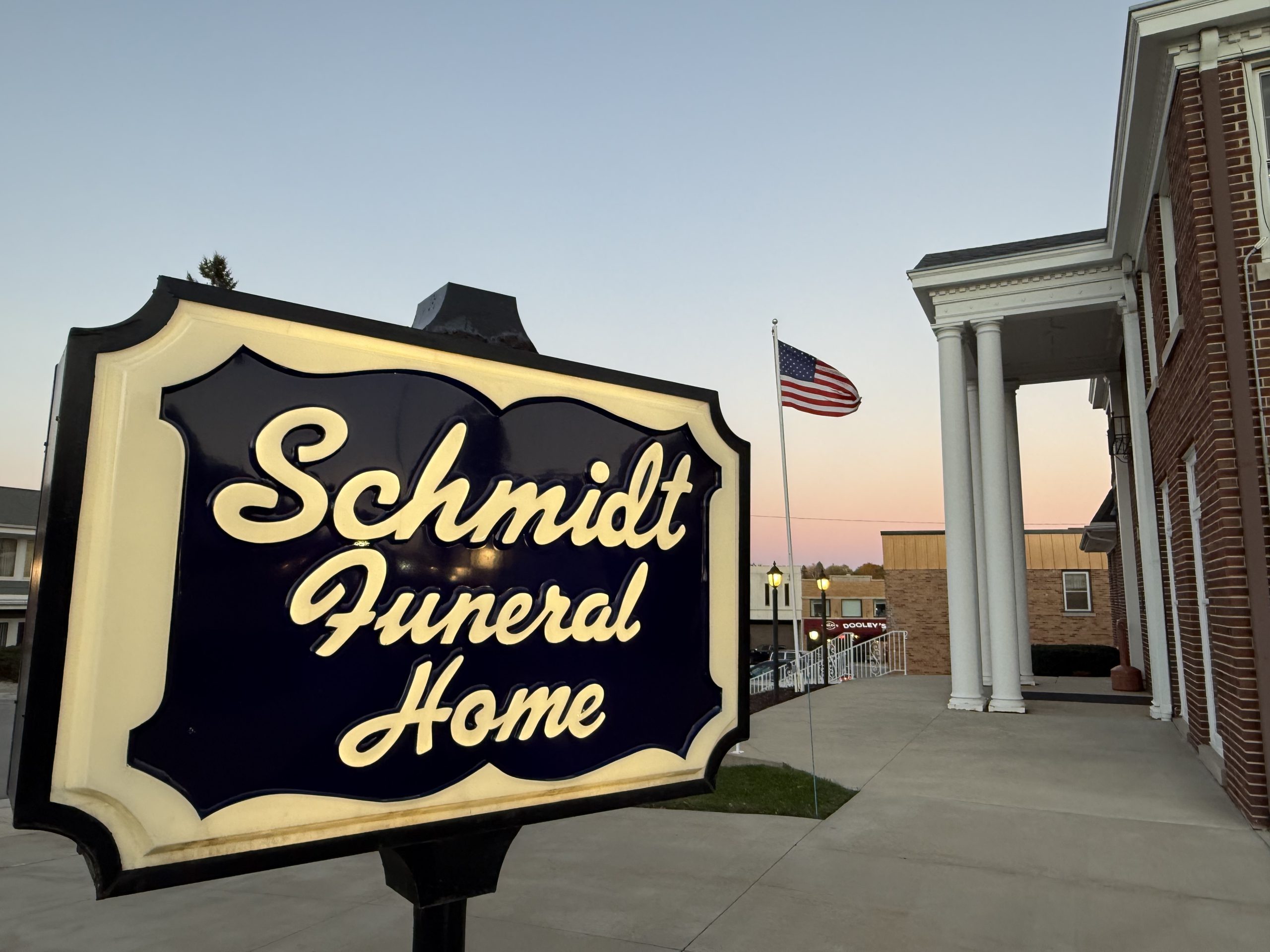
Third-generation owner Amy Schmidt said the business was founded by her grandfather, Leander Schmidt, who partnered with his uncle-by-marriage, Clem Reinders, after working for him in Kewaskum.

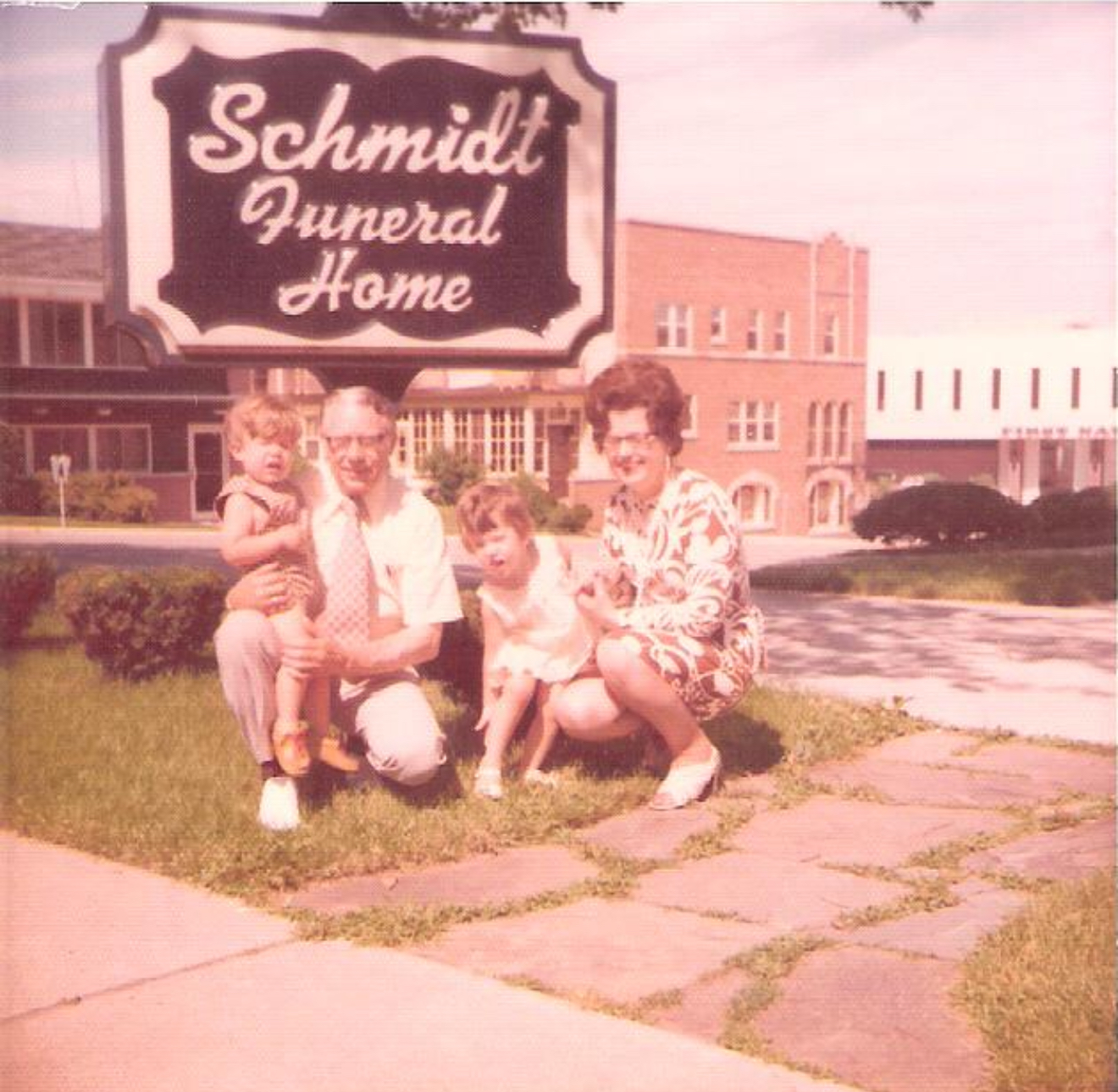
“Leander was born and raised in St. Michael’s,” Amy said. “He started working for his uncle Clem Reinders in 1930 when he was 22, and then they decided to go into partnership and move to West Bend in 1934. Their open house was in May of 1934 — and Clem died that November, just six months later.”

Leander carried on the business alone, first operating under the name Schmidt & Reinders Funeral Parlor, later shortened to Schmidt Funeral Home.
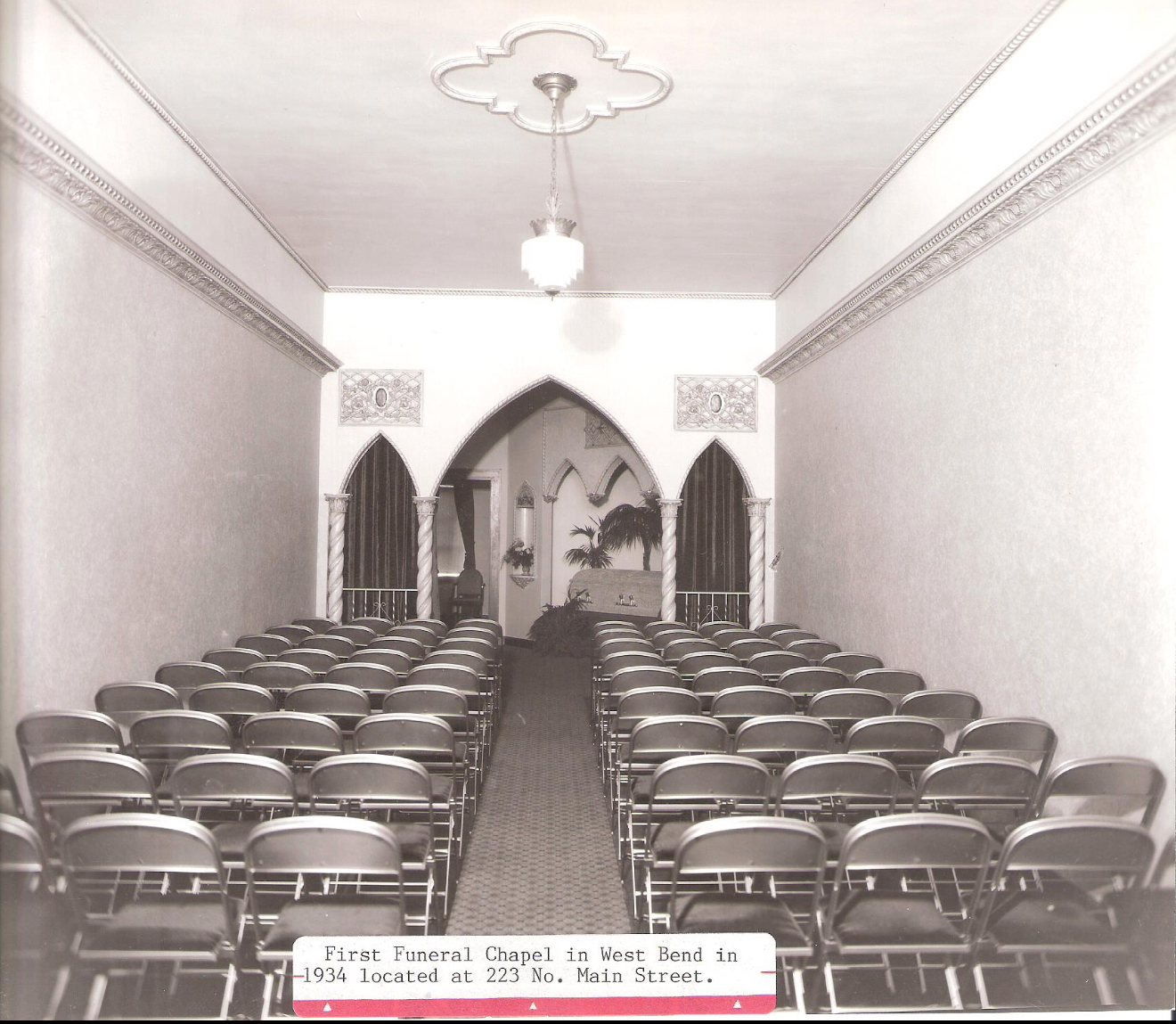
The original location was in the north part of what’s now the BMO Harris Bank building — formerly M&I Bank — on Main Street. “It was a storefront about 50 feet wide and 100 feet long,” Amy said. “We’ve searched for photos of the exterior, but none seem to exist.”
In 1939, the funeral home moved to its current location on Seventh Avenue. “The lot became available, and the funeral home was built that year,” Amy said. “Ben Tennies was actually the general contractor — we even have a picture of his truck parked out front during construction.”
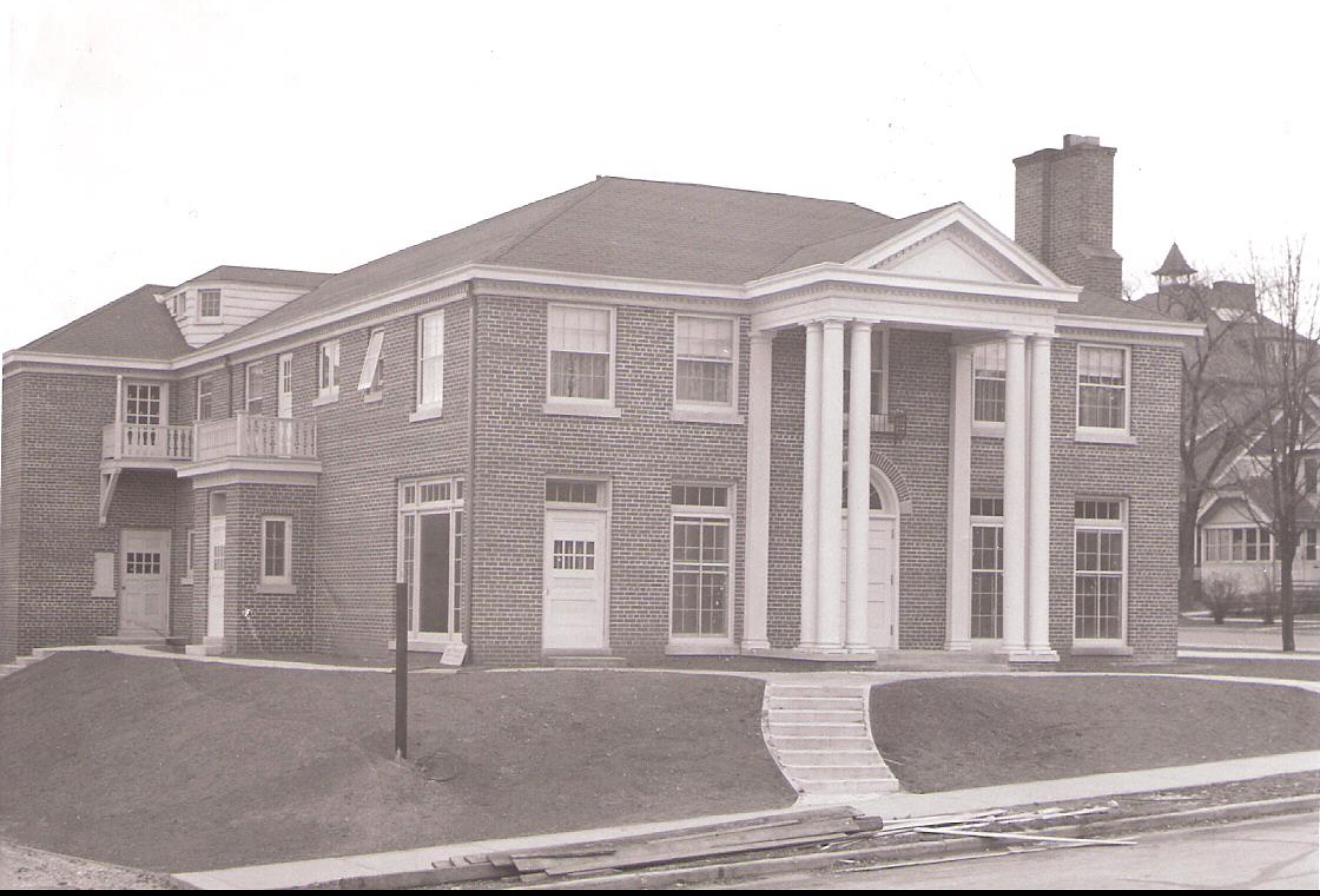
From there, the business continued through the generations. “Leander worked with his brother for a while, and later my dad Kurt and uncle Ken took over. Now it’s my brother Scott and I,” Amy said. “We started part-time when we were in grade school, vacuuming and washing cars, and began full time in the early ’90s.”
As one of the few remaining multigenerational family businesses in downtown West Bend, Amy has seen firsthand how times — and traditions — have changed.
“Family businesses don’t continue like they used to,” she said. “Families move away, kids have different opportunities, and it’s easier to branch out on your own. The internet, corporate consolidation, and changing lifestyles all play a role.”

Amy has also watched her industry evolve. “When Scott and I started 30 years ago, funerals were very traditional,” she said. “Now, it’s completely different. It’s not just a funeral anymore — it’s an event, a celebration of life, or sometimes no service at all. Many traditions just don’t hold the same value to people anymore.”
Despite the changes, Schmidt Funeral Home remains a trusted presence in West Bend — serving families through generations. “We’ve worked with families for decades,” Amy said. “Some of the people we serve today, we also served their parents and grandparents. They tell us it’s nice to work with people they know.”
When she learned of Husar’s closing, Amy said it felt like losing a piece of the community’s fabric.
“The Husars have been part of West Bend for as long as I can remember,” she said. “They were always active downtown — friendly, professional, and truly cared about people. If you were buying jewelry for a wedding, an anniversary, or a graduation, you went to Husar’s. They were part of life’s milestones here.”
Amy recalled how the Husar family reputation extended far beyond the jewelry counter. “They gave back constantly,” she said. “They supported local causes, helped organize events, and always represented what a small-town business should be — family-oriented, community-minded, and proud of their work.”
For Amy, the Husars’ closing represents more than just another empty storefront. “It’s a reminder that we’re watching the end of an era,” she said. “These were the businesses that shaped our downtown — and our sense of community.”

A few blocks from Schmidt Funeral Home, Winkler’s Office City has been a Main Street staple since 1958, when Tom Winkler opened a small machine shop fixing typewriters.
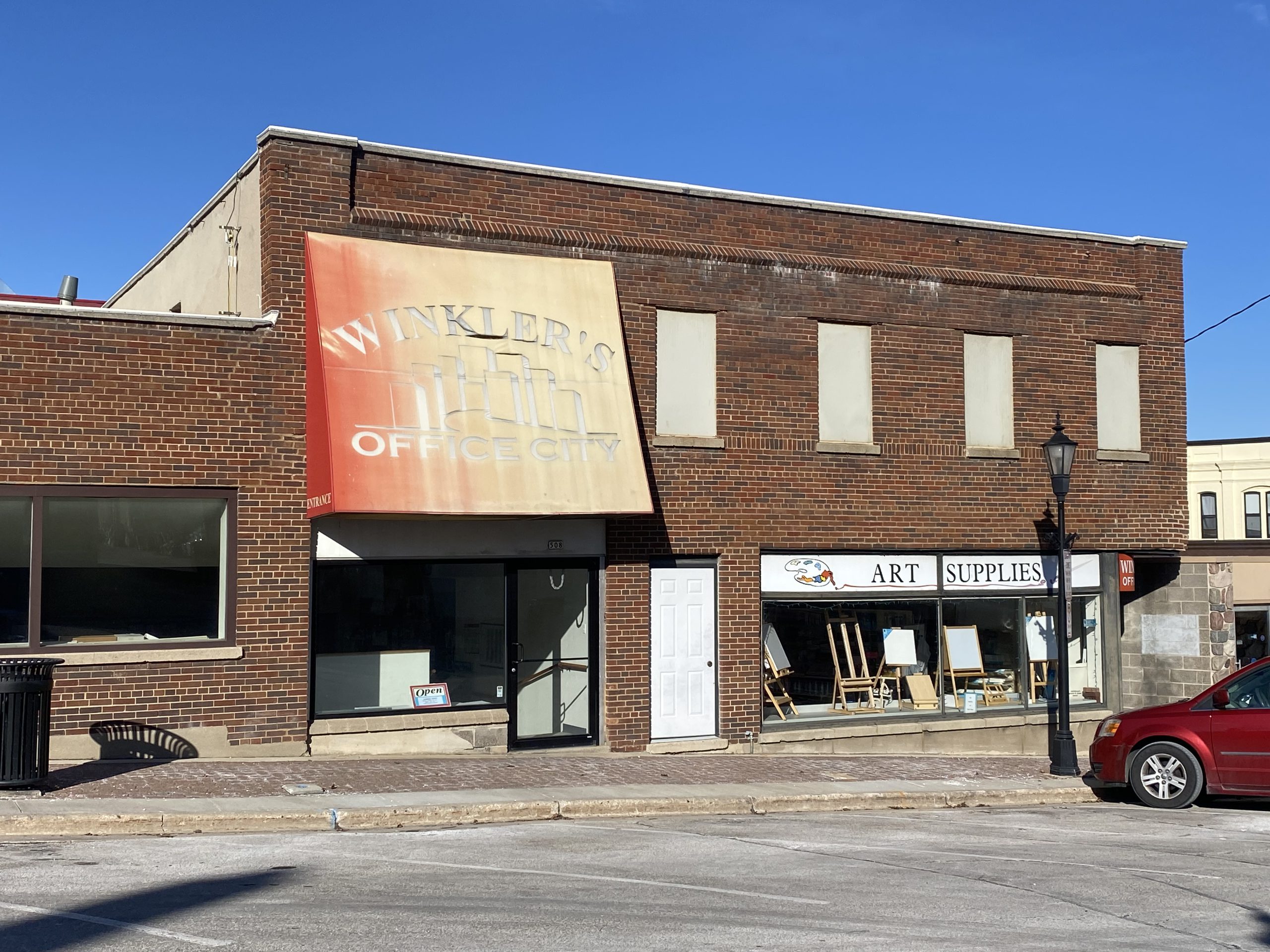
“My dad started on Main Street,” said Linda Pechancek, one of the second-generation employees. “He had a little shop called Winkler’s Office Equipment and he fixed typewriters all over the place. He sold Adler Royals, IBMs — you name it. He even sold pencil sharpeners.”
Tom Winkler, now 94, still remembers the early days when downtown West Bend buzzed with family businesses. “There was Sears across the street, Sager’s, and even another Winkler — a lock shop, no relation,” Pechancek said. “It was a different time. People shopped local because that’s all there was.”
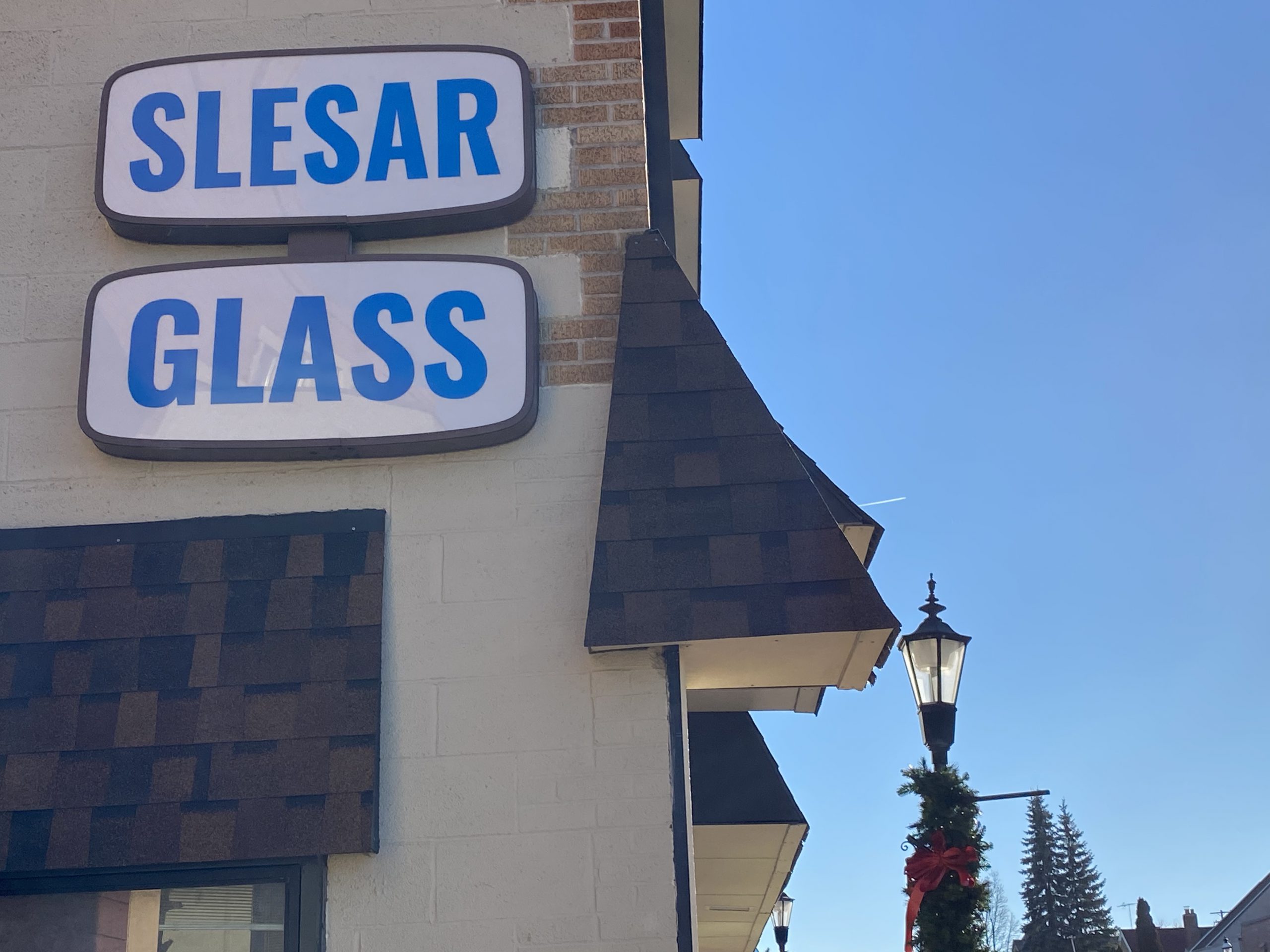
Winkler’s moved to its current location in 1960. “Next door was Slesar Glass and a flower shop on the corner,” she said. “Across the street, West Bend Mutual and Sears. It was a tight little business district.”
Pechancek has been part of the shop since she was a teenager. “I was probably 13 or 14 and I’d help my dad get ready for Maxwell Street Day. We’d get up at 4 a.m., bundle pencils into dozens, rubber-band them, and put them out on tables. There was no Shopko or Walmart back then. Dad sold a lot of stuff — people needed supplies, and we had them.”
Now, as one of the three remaining family-run businesses downtown, Pechancek feels the weight of time. “When I heard Husar’s was closing, I thought, ‘Wow. We’re the only ones left — Tennies, Schmidt, and us.’ It makes you feel old.”

Pechancek attributed much of the change to convenience. “Times have changed,” she said. “People buy online. It’s so easy — my kids do it all the time. My generation doesn’t, but younger ones do. They’ll order a pack of pens and have it delivered the next day.
“I don’t think the internet put Husar’s out,” she said. “It’s probably more about time and health. You get to a point where you want to enjoy life, and if there’s no one to take over, what can you do?
“It’s hard to make that decision — to let go. But at the same time, you can’t work forever.”
As for Winkler’s future, she’s realistic. “I don’t think we’ll go to a third generation. Kids go to college, get jobs that pay well, have insurance — and you can’t blame them. But one day, when these places are gone, people will say, ‘I wish that place was still open.’”
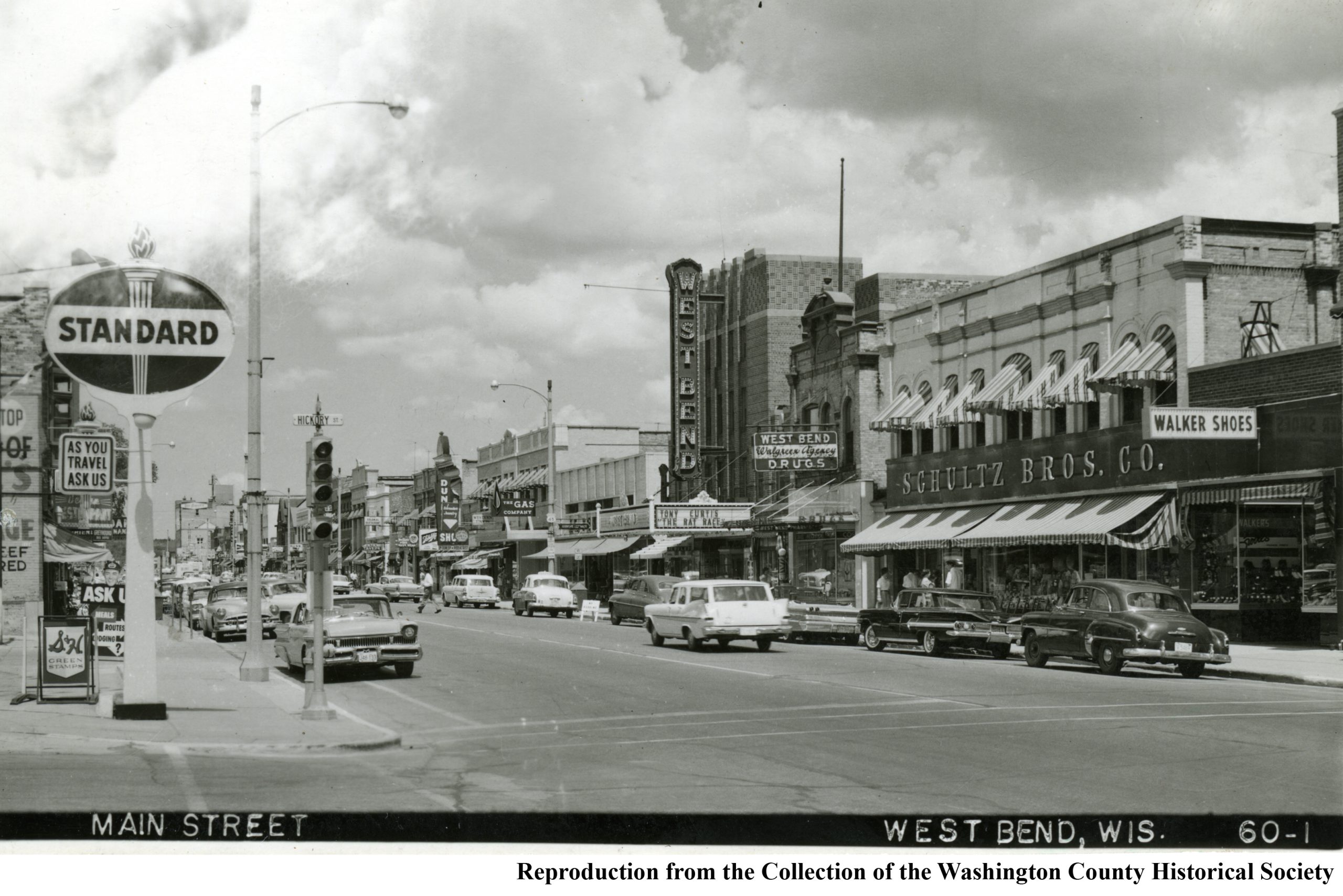
From jewelry to hardware to office supplies, these family businesses once defined the rhythm of West Bend’s downtown — places built on handshakes, service, and trust.
Now, as another light goes out with Husar’s closing, the few that remain continue to remind the community what made Main Street special.
“Small, family-owned businesses are disappearing,” said Tennies. “But when they’re gone, people will realize just how much they meant.”
Or, as Pechancek put it: “You don’t miss it until it’s gone. Then one day, you’ll look down Main Street and say, ‘Remember when?’”